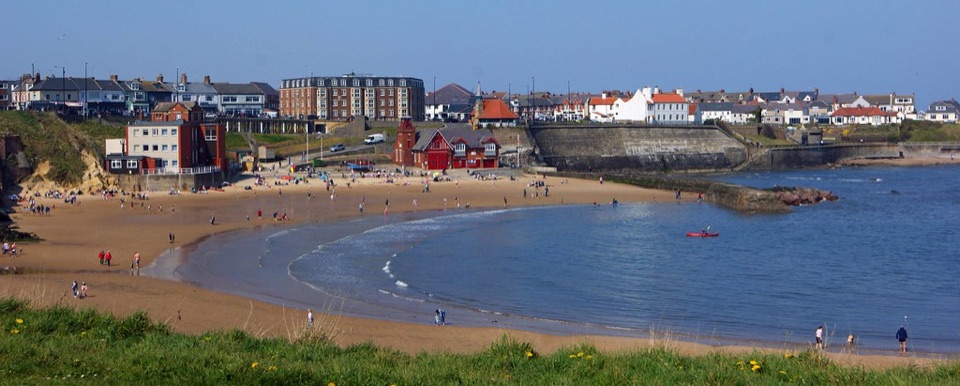
What the rules allow on your surface
We check the spot you have in mind against the planning rules and tell you whether they cover it. That happens before anyone quotes.
Read moreSend us your postcode and where the panel would go. We check that spot against the planning rules, work out what it would generate, and if a socket needs fitting outside we arrange the electrician.
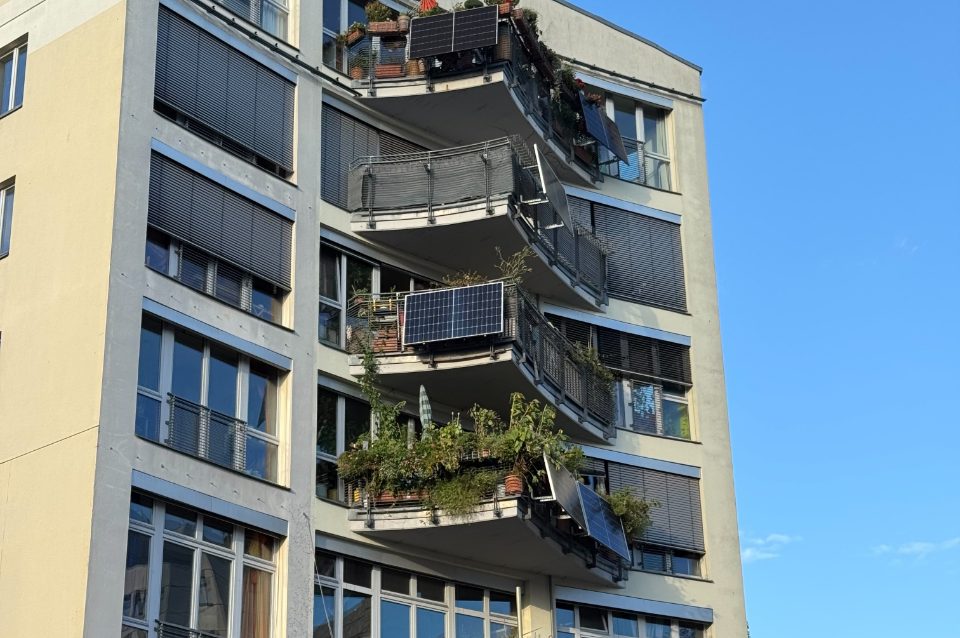
Where were you thinking of putting it?
Tell us your name, postcode and email, and the roof, wall or yard you're thinking of. The reply is an email saying whether the rules allow it and roughly what it would generate.
Replies come by email. Nothing is passed on and nobody pays us commission.
There's no catalogue and no price list on this site. We look at your house first, then tell you what will work on it.
The permitted development right for solar equipment was rewritten on 27 August 2026, the same day the regulations came in. For houses and for blocks of flats it now rules out wooden wall, balcony and timber-clad installation of plug-in solar.
You get a choice of rules until 27 August 2027. The Planning Portal says that during it you can follow the rules as they stood immediately before 27 August, or the new ones. We'll tell you which set works better for your house.
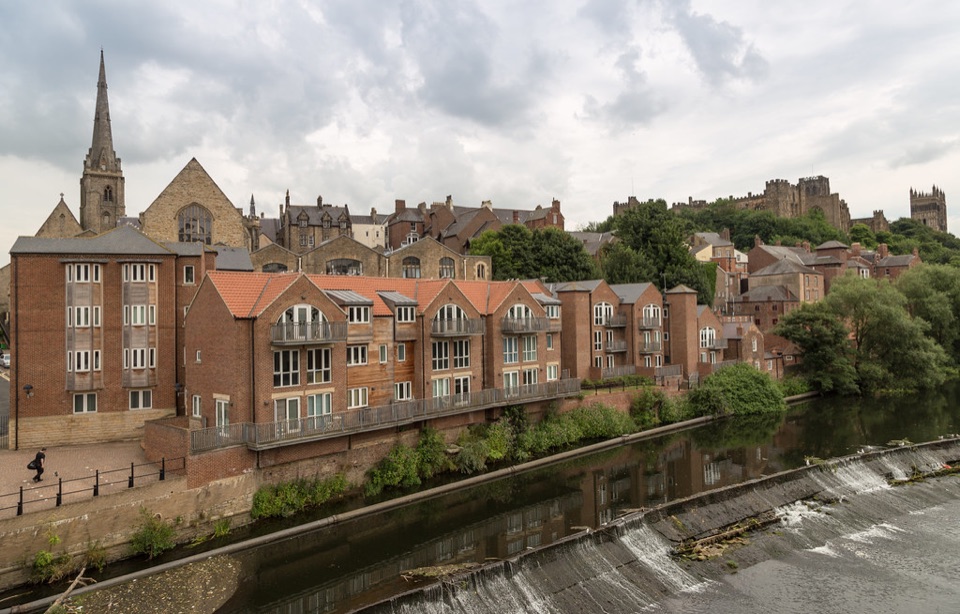
These are kWh a year for one 800 watt panel, modelled at a point in Newcastle.
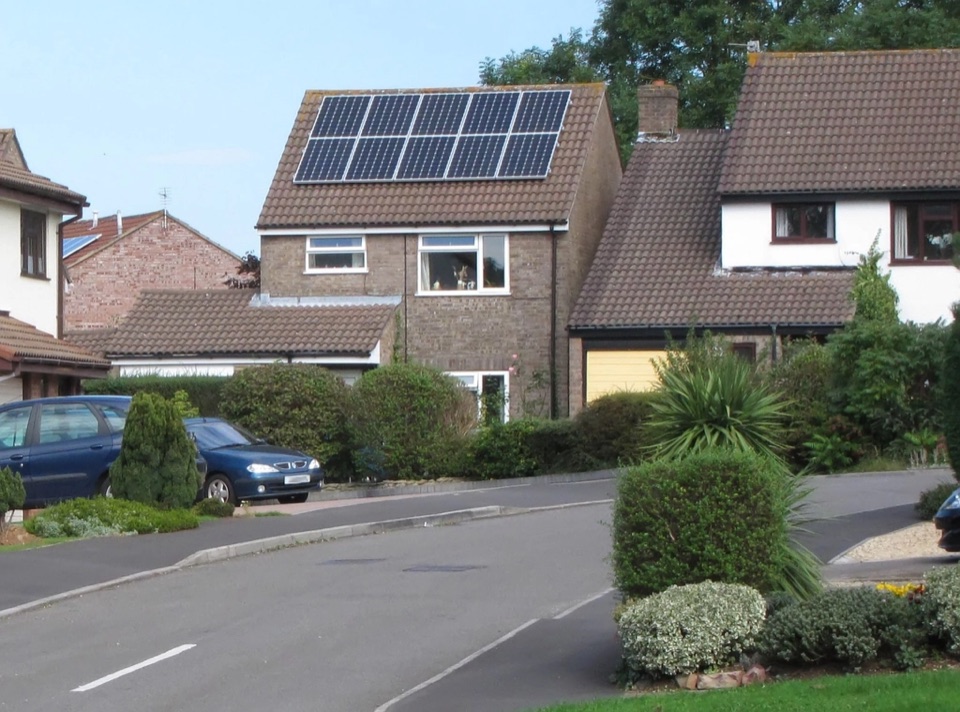
This is the highest of the four figures. It is usually the hardest place to get to.
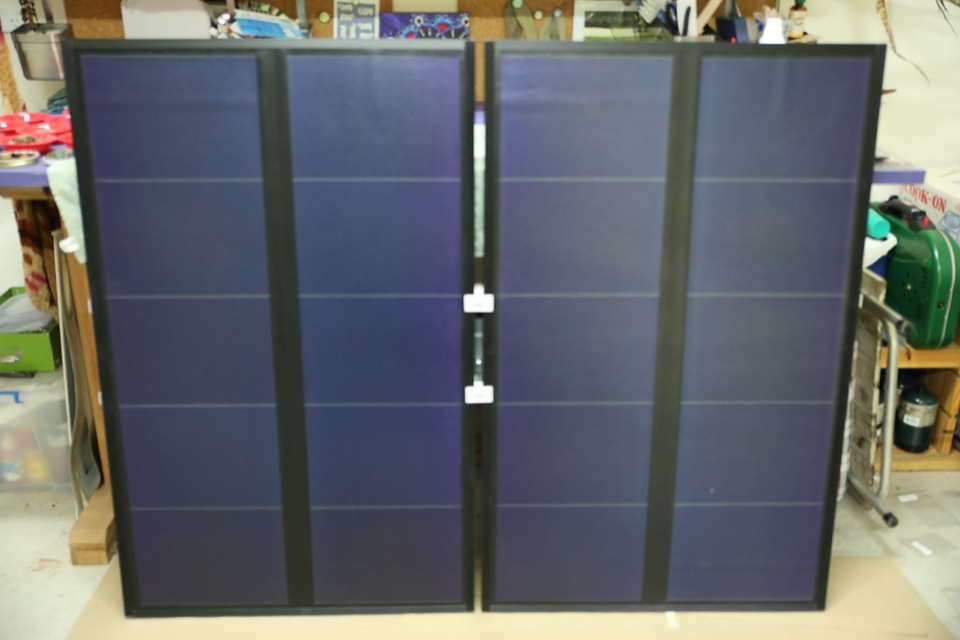
A yard or a garden, tilted and facing south. It generates about as much as the roof.
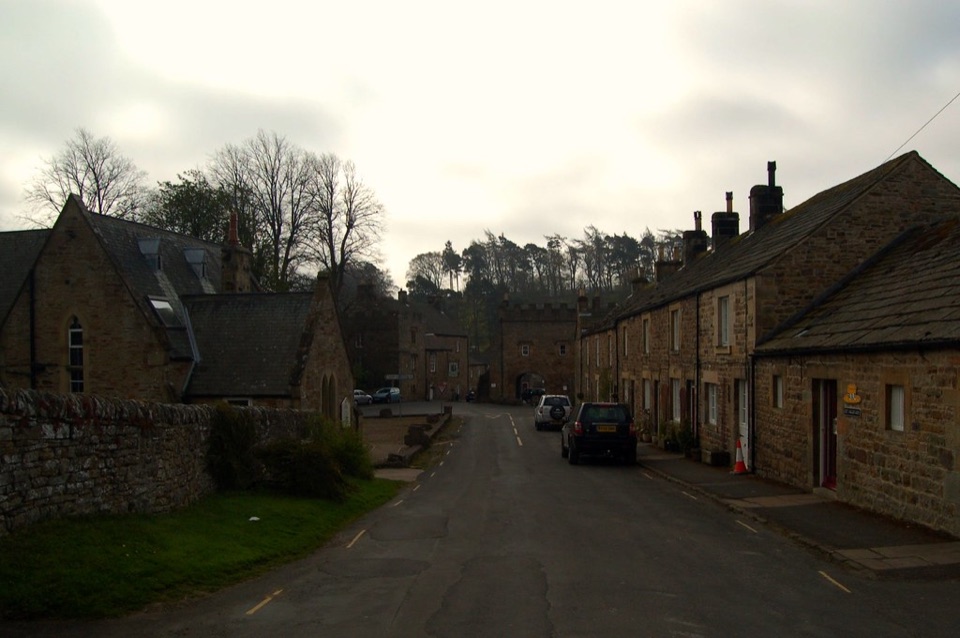
About three quarters of the roof figure. Most brick and stone walls take the fixing.
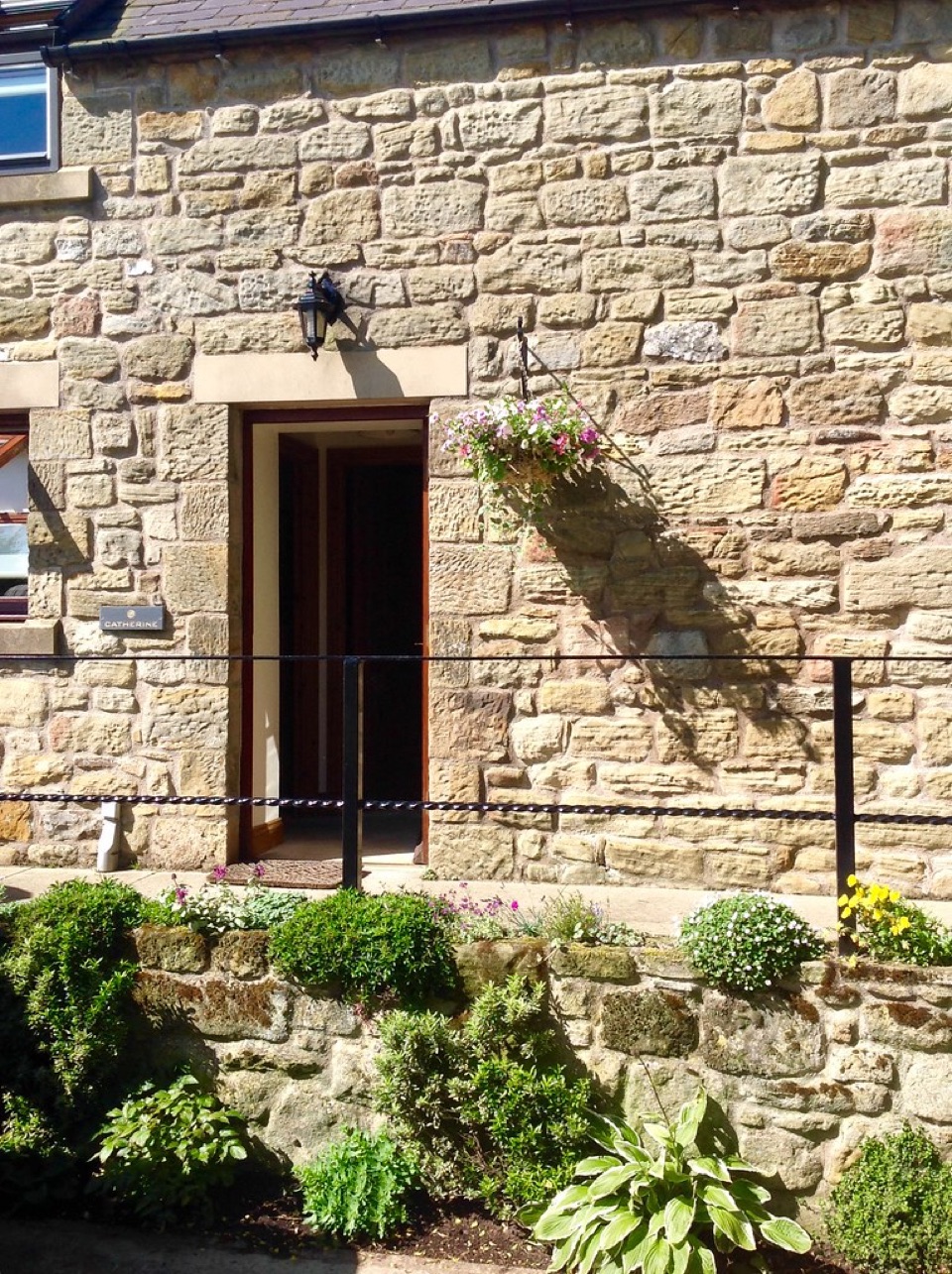
About half the roof figure. We'll give you the number for your own wall.
These are ideal conditions, so treat them as a ceiling. A region is not a point, and a house on the coast behaves differently from one inland. What a panel generates is not what you save. That depends on how much electricity you're using while it works, and batteries sit outside the approved class.
These happen in this order.
What the rules allow on your surface
We check the spot you have in mind against the planning rules and tell you whether they cover it. That happens before anyone quotes.
Read more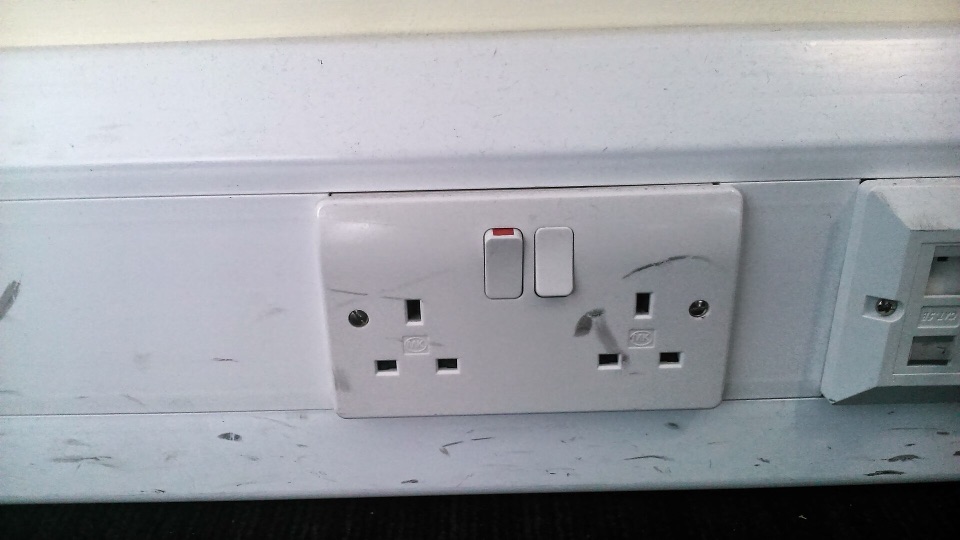
Fitting, and an outdoor socket
A local electrician prices the socket and the circuit. Any socket fixed outside has to meet IP55 or better.
Read more
Telling Northern Powergrid
Northern Powergrid needs a short online form within 28 days of the panel going in. We talk you through it and get it sent.
Read more
A Tyneside flat is a two storey terrace built as two homes, one above the other, each with its own front door on the street. There are a lot of them in Newcastle, Gateshead and Sunderland.
The roof and the yard are often in different hands. Your deeds and your lease say which is yours, and we can't answer that for you. What we can tell you is which surfaces the rules cover, and what each one would generate.

North East England is in the licence area of Northern Powergrid (Northeast) plc. Northern Powergrid (Yorkshire) plc is a separate licence covering the area to the south, and the two names are easy to mix up.
We keep the fourteen licence areas as a working list. We haven't checked it postcode by postcode, so put yours through the operator's own postcode checker. You can also ring 105. The call is free from anywhere in Great Britain and it puts you through to your own operator.
Usually not. Plug-in solar leans on the permitted development rights that already exist for small solar, and most houses sit inside them. The right comes with conditions, so it isn't automatic. A house that falls outside them needs a planning application, and the government expects that to cost more than the panel.
No. Since 27 August 2026 the planning right has left out wooden walls, balconies and timber cladding for plug-in solar. The same change applies to houses and to blocks of flats. We look at yours before anyone quotes.
One. The product specification allows one device per final ring circuit, then points at the network requirements, which are tighter. G98 Issue 2 Amendment 1 allows one device per household, and that holds until it is amended.
You don't need one to plug the panel in. The specification is written for a product an ordinary person installs and runs. You do need a qualified electrician to test or alter your own wiring, to change the overcurrent protection on a final circuit under BS 7671 section 551.7.2, and to look at any socket you're unsure about.
Not within the approved class. The specification doesn't cover plug-in battery systems, or plug-in solar with a battery built in. People who responded to the consultation said that leaving batteries out reduces the payback, and the government recorded that.
Your distribution network operator, and you've got 28 days from when the panel goes in to do it. It's a short online form asking for your name, email address and the installation address. Up here that's Northern Powergrid. If you'd rather check for yourself, ring 105. The call is free and it connects you to your own operator.
More questions and answers, with the source named beside each one.
If the rules don't cover your surface, we'll say so. The government expects a planning application to cost more than the panel itself.
Check my postcode